Tempe Roofing Pros: Roof Replacement, Leak Repair & Foam Recoating
Expert residential and commercial roofing services. Free inspections and written proposals across Tempe and the East Valley.
- ✓Licensed, bonded and insured Arizona roofing contractor
- ✓Free roof inspection with thickness readings and a photographed roof plan
- ✓Coating work quoted by product, ASTM standard and dry film mils
- ✓A straight answer on recoat against replace, in writing, before any work starts
Why Tempe Chooses Tempe Roofing Pros
- ✓Every coating proposal names the product, its ASTM standard and the dry film thickness in mils, never a gallon count
- ✓Core cuts and an electronic moisture scan before a recoat is priced, because coating over wet foam buys nothing
- ✓Thickness readings taken at the same marked points every visit, so you see a wear rate instead of one afternoon's opinion
- ✓Ponding corrected by building slope in foam rather than patched with more material at the low spots
- ✓Drains, scuppers and overflows flow-tested with a hose before monsoon season, not assessed from across the roof
- ✓A written recommendation to wait when the numbers say wait, with a stated date for the next recoat
How It Works
Free Inspection, With Gauges
We walk the whole roof, take dry film thickness readings at a dozen marked points, probe every curb and pipe boot by hand, and flow-test the drains and scuppers with a hose. Findings are photographed and located on a roof plan so you can see what we saw.
Cores and a Moisture Scan Before Any Price
An electronic capacitance meter grids the field and an infrared pass after sundown shows where heat is still coming off wet areas. Then we cut two-inch cores at the low points to prove it. Nobody should price a recoat without knowing whether the foam underneath is dry.
A Proposal That Names Mils and Products
You get the foam density, the coating product and its ASTM standard, the specified dry film thickness, the warranty term tied to that thickness, and any deck or drainage repair itemized separately. If waiting a season is the right call, the proposal says so in writing.
Work Scheduled Around the Heat, Then a Date
Coatings and adhesives have upper temperature limits, so summer work starts at first light and stops when the surface does. When the job is closed out we photograph the finished roof, record the thickness applied, and give you the date the next recoat is due.
Our Roofing Services in Tempe, AZ
Roof Replacement
Most Tempe houses that need a new roof do not need a tear-off. Much of the stock here is low-slope with sprayed polyurethane foam over the original deck, and foam that is still dry is the substrate for the next roof rather than debris to be hauled away.
Roof Leak Repair
A leak on a Tempe flat roof almost never starts at a seam, because a sprayed foam roof does not have any. It starts at a puncture, and the puncture usually has a bootprint, a dropped tool, or a service ladder behind it.
Monsoon & Storm Damage Repair
Monsoon season runs from the middle of June to the end of September, and it does not damage roofs the way a frontal storm does. An outflow boundary arrives with dust and sixty-mile-per-hour gusts, then drops an inch of rain in twenty minutes onto a roof with almost no slope.
Hail Damage Roof Repair
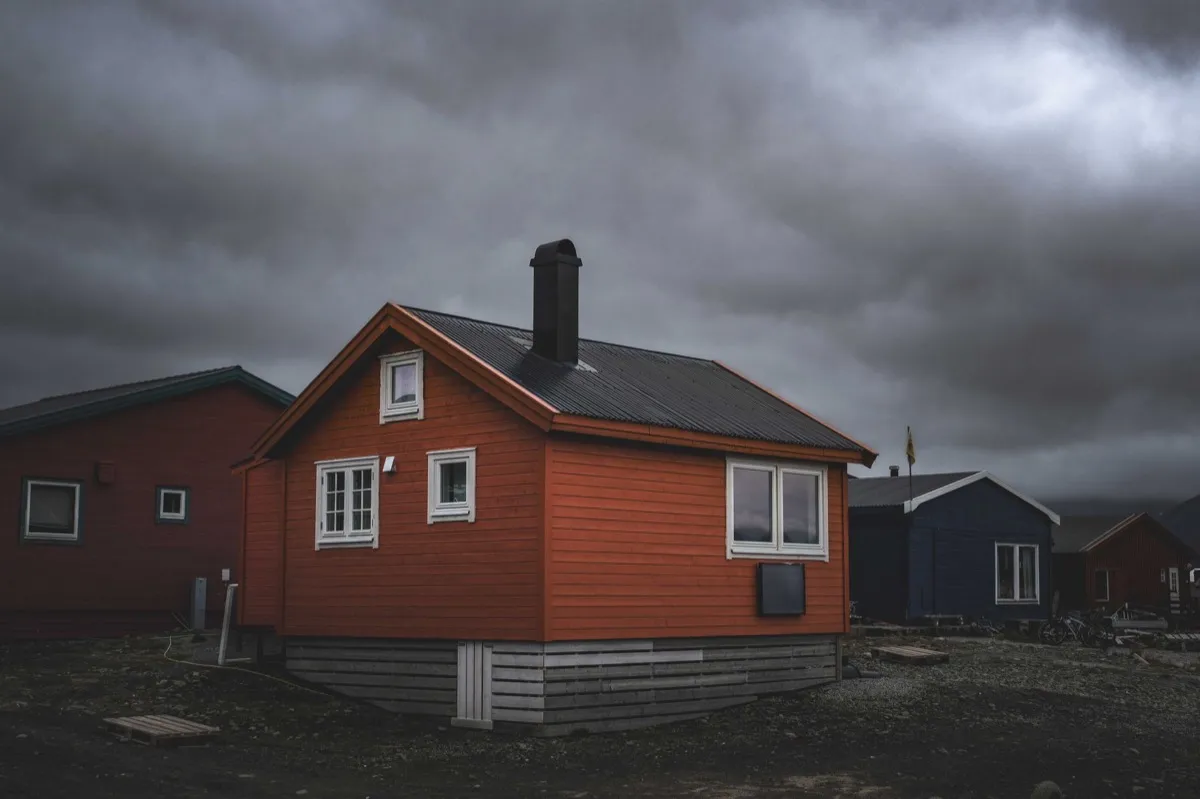
Hail is uncommon in the Salt River Valley and it is not absent. When a storm does drop stones here, the damage on a foam roof looks nothing like the bruised shingles that most adjusters are trained to score.
Wind & Microburst Roof Repair
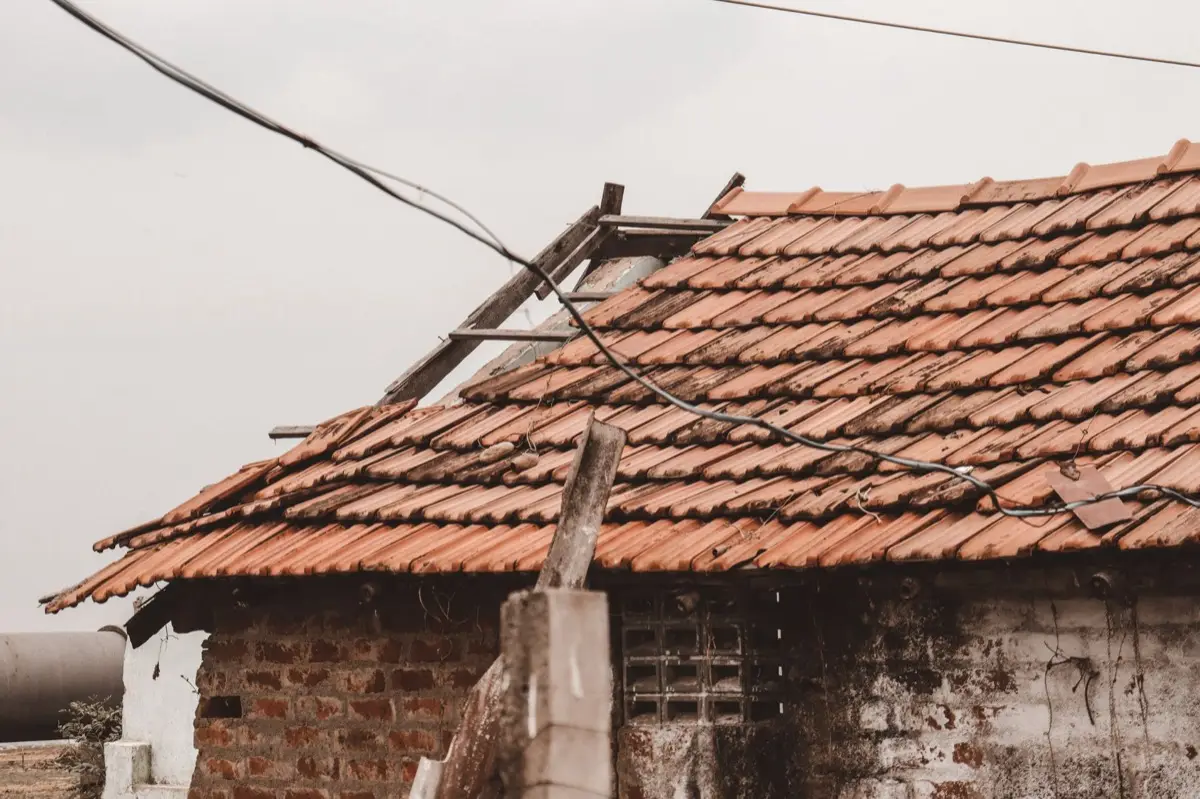
Microburst outflow is the wind that matters in Tempe, and it arrives as a wall rather than a gust front. Sixty to eighty miles per hour for a few minutes, loaded with dust, hitting parapets and equipment screens far harder than it hits the open field.
Roof Inspections & Moisture Surveys
An inspection on a low-slope Tempe roof is a set of measurements, not a look around. Anyone can tell you a foam roof needs attention once the coating has chalked white and gone powdery.
Asphalt Shingle Roofing
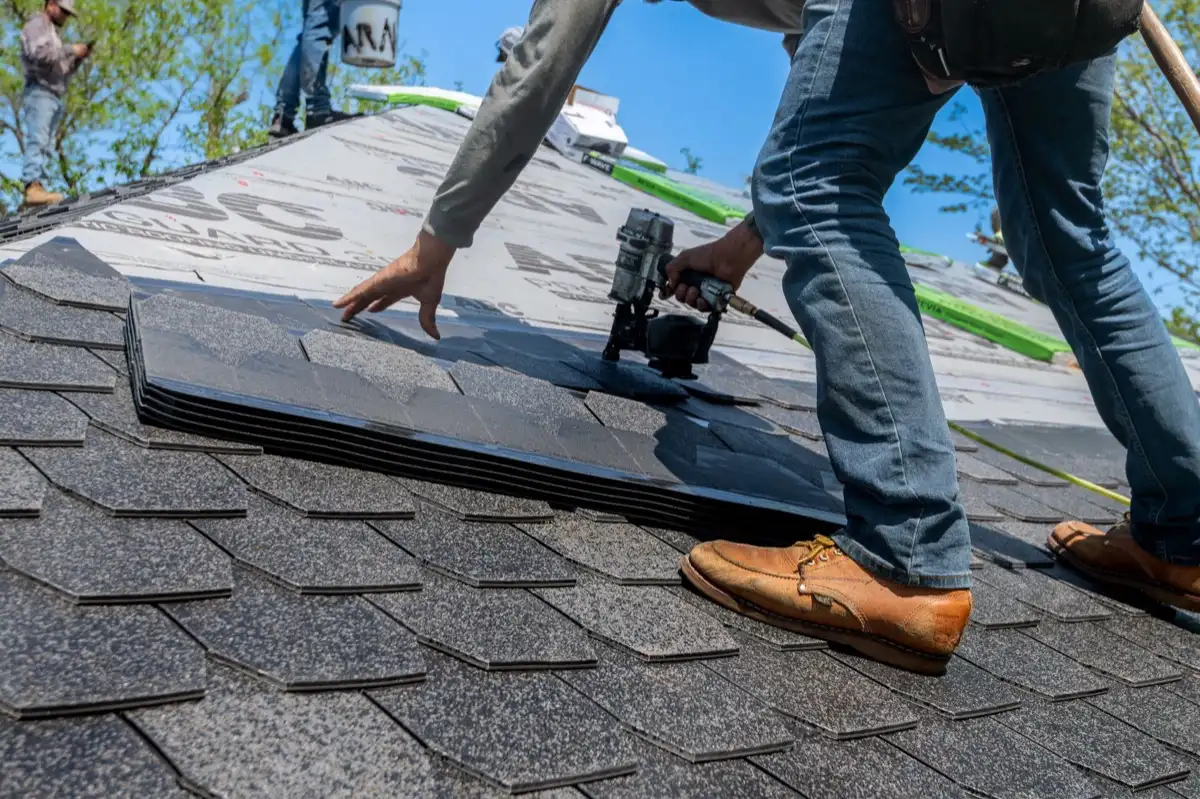
Shingles in Tempe are killed by sunlight and heat, not by water. A roof here sees months of surface temperatures far above the air temperature, and the asphalt binder gives up its volatiles long before anything wears out from rain.
Metal Roofing
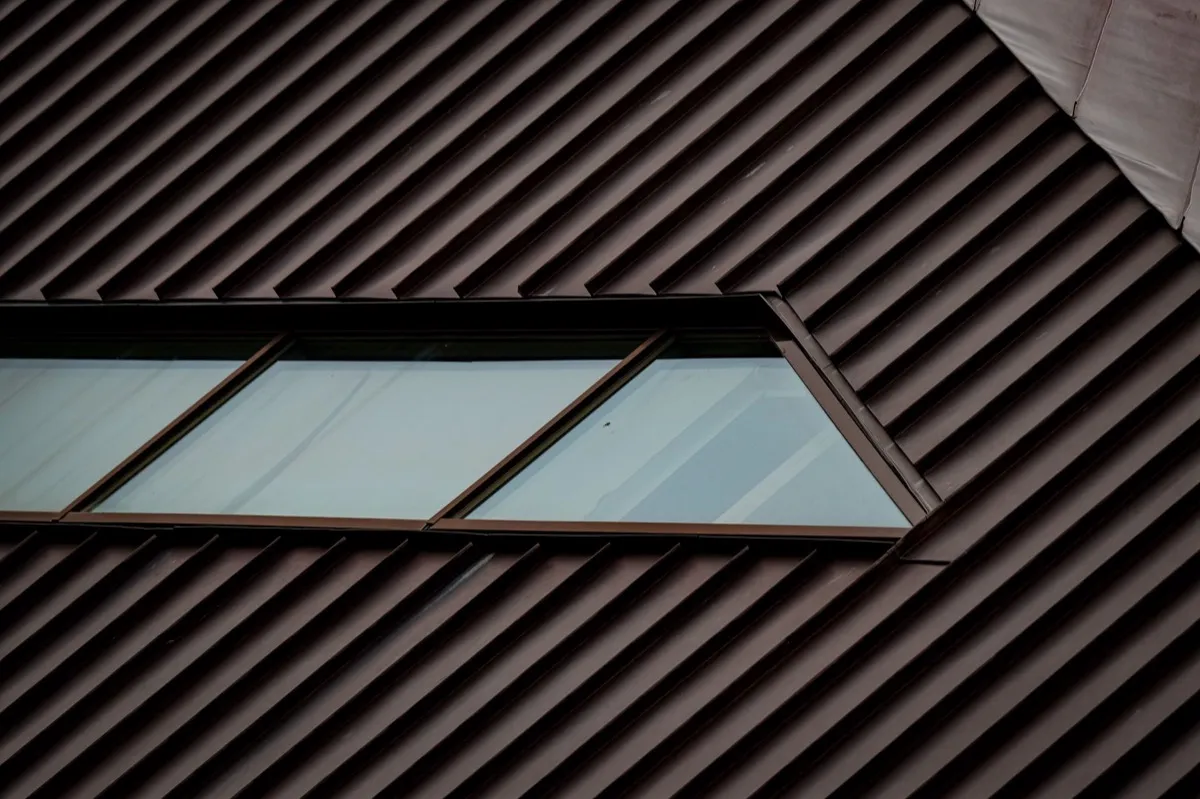
Metal earns its place in Tempe on the small stuff. Patio covers, carports, additions, and awnings that live in full sun all year, where a standing seam panel outlasts anything else you could put over them and asks for almost nothing in between.
Tile Roofing
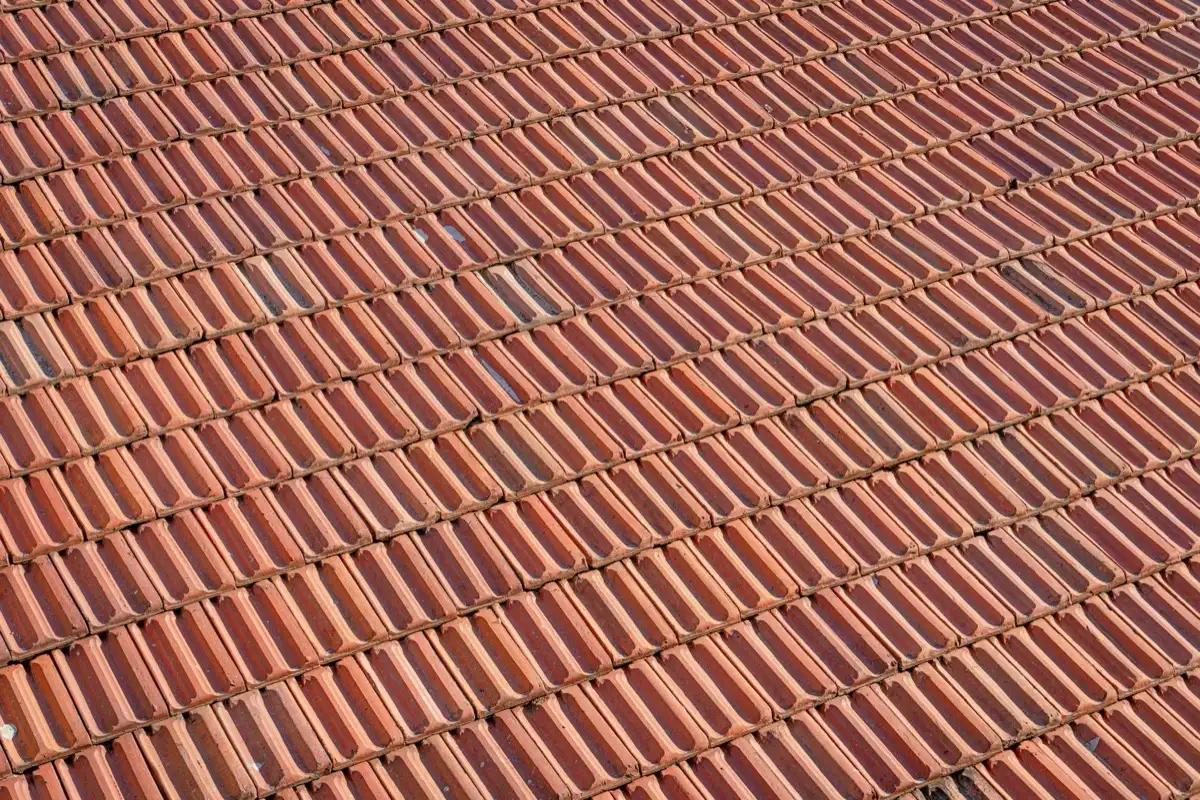
The tile work that keeps Tempe roofers busy is not out in the tile field. It is at the line where a tile slope dies into a flat section over a patio, a carport, or a nineties addition, and two roof systems have to become one.
Flat & Low-Slope Roofing
Every low-slope decision in this valley comes back to one question: can the system fix the slope, or does it only cover the deck? A roof that ponds after every monsoon rain will keep ponding under a new membrane, because a membrane follows the framing it lies on.
Foam Roof Recoating & Sealing
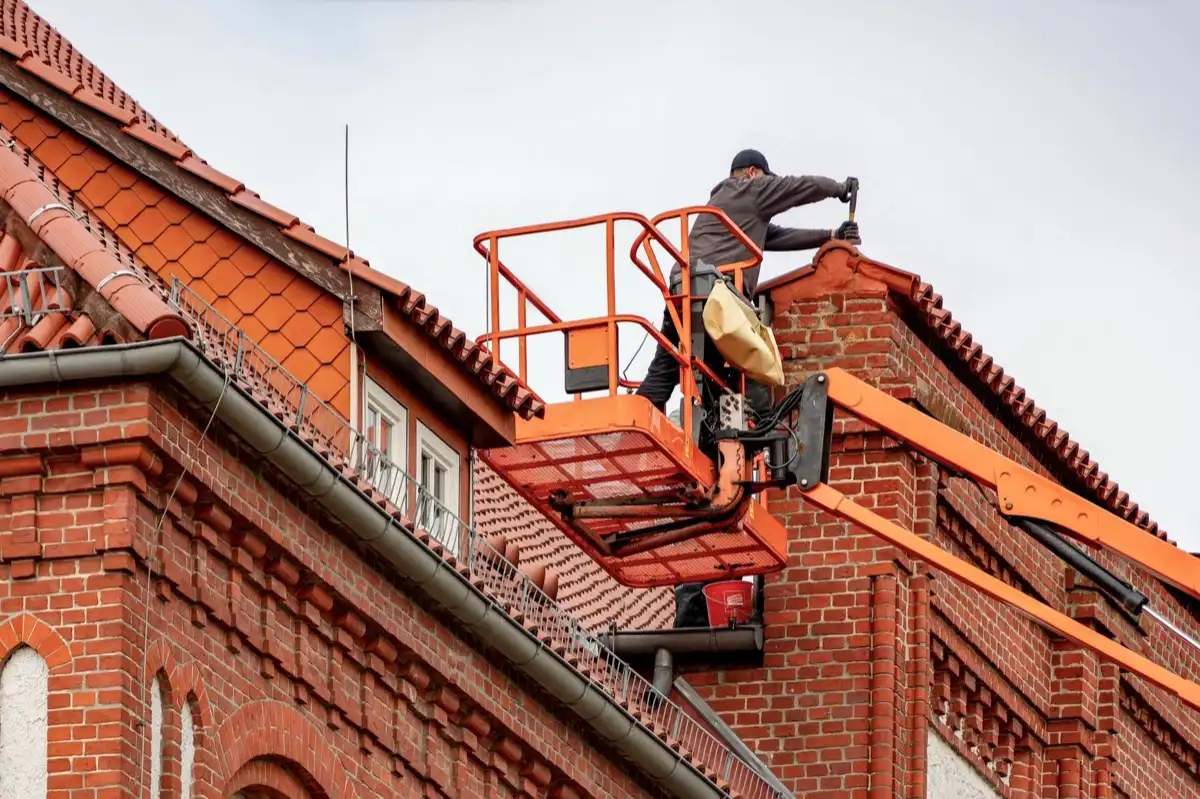
This is the page that decides whether every other roof on your property lasts. Sprayed foam has no ultraviolet resistance of its own.
Roof & Attic Ventilation
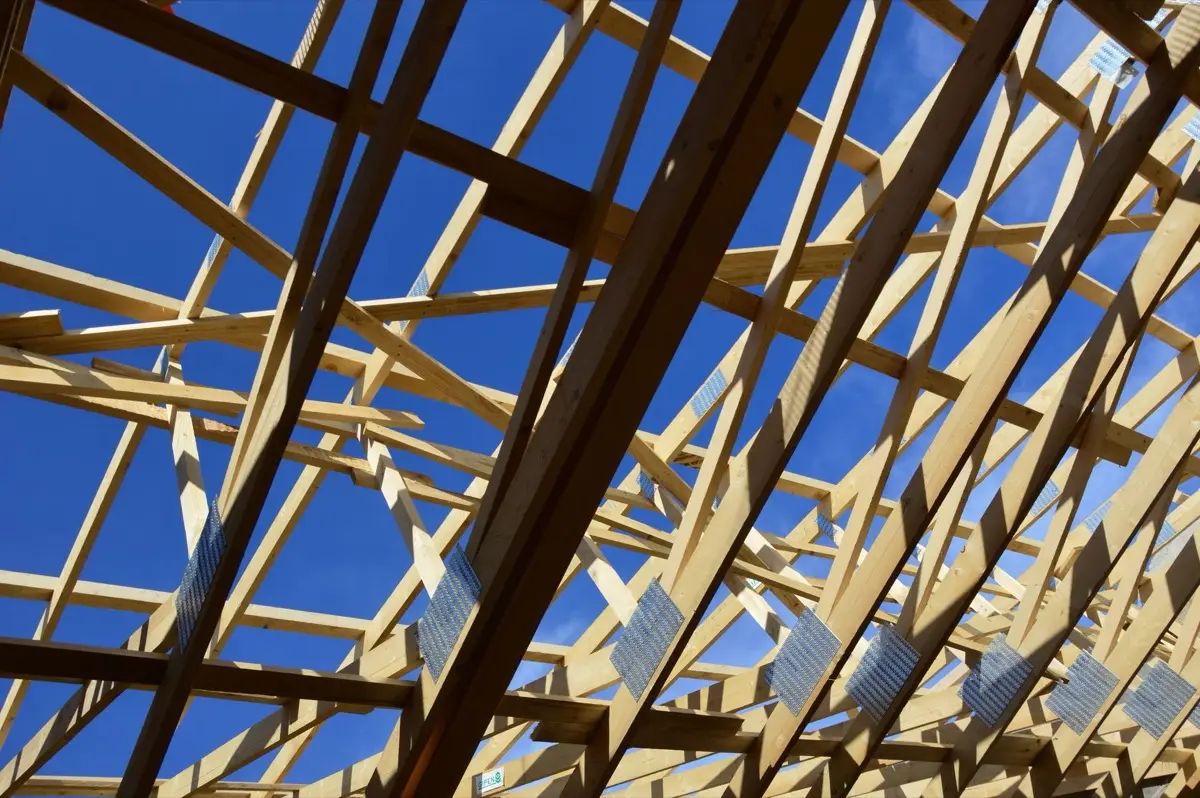
Ventilation is the wrong frame for half the roofs in Tempe, and it is worth saying so plainly. A sprayed foam low-slope assembly is unvented and monolithic by design.
Skylights & Daylighting
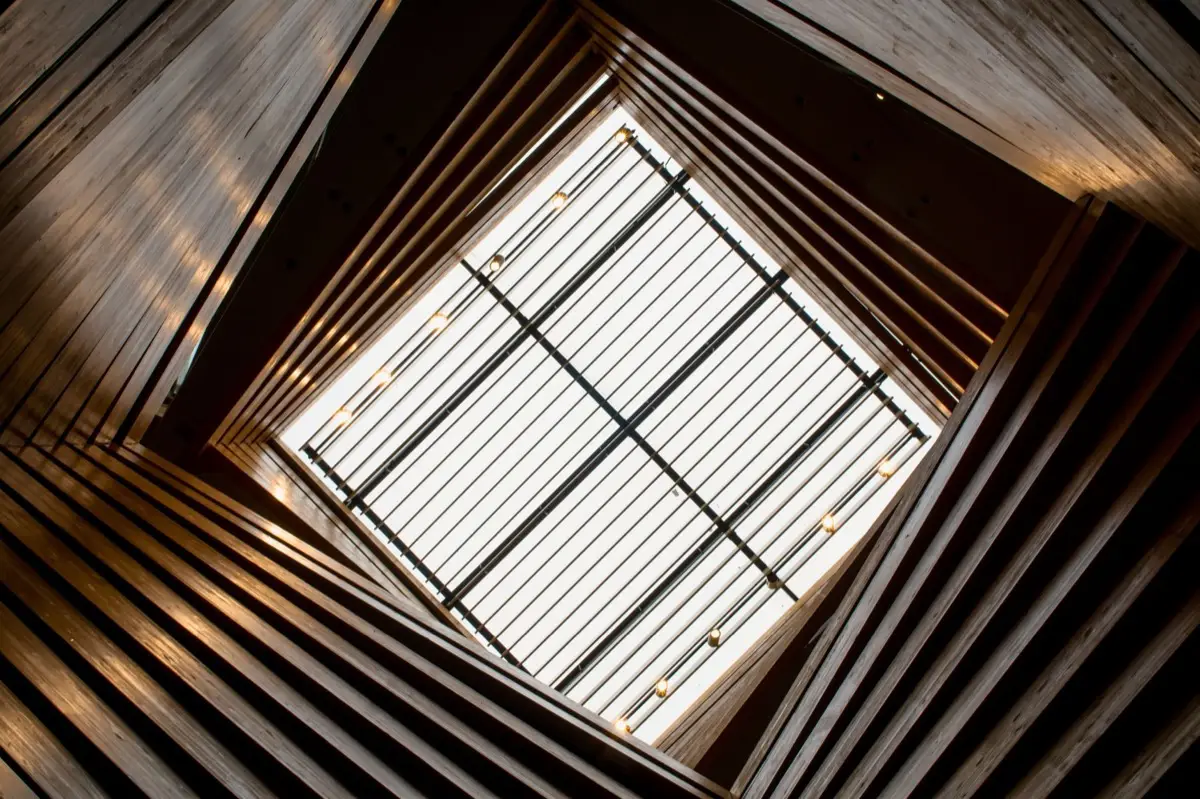
The first honest thing about skylights in Tempe is that most homes want less sun through the roof, not more. Every square foot of glass overhead is a heat gain problem for eight months of the year, and we say so before we quote one.
Gutters, Scuppers & Downspouts
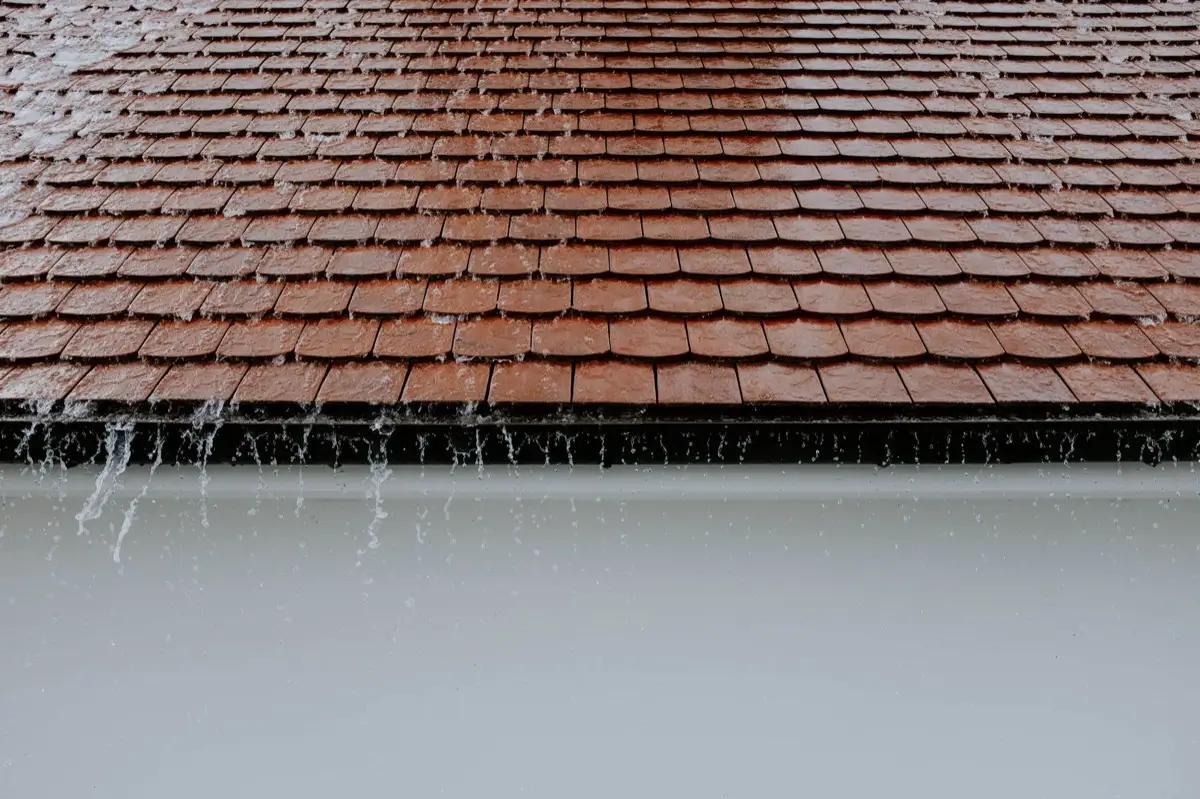
Tempe gets a modest amount of rain a year and much of it arrives in a handful of monsoon hours. That makes drainage here a capacity problem rather than a volume one, and it means the important hardware is usually not hanging off the eaves.
Fascia & Soffit
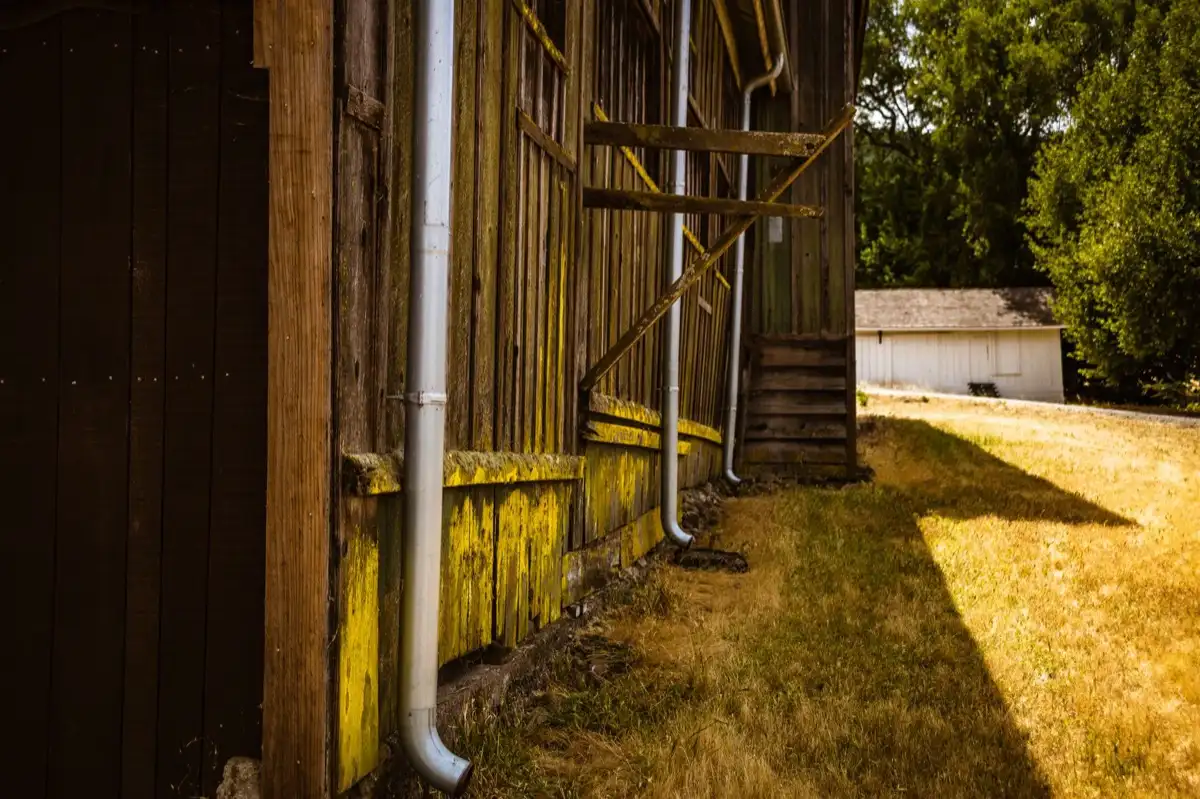
Rot is rarely what takes out a fascia board in Tempe. Sun does.

Chimney & Wall Flashing
Very few Tempe houses have a masonry chimney, so the flashing work that actually keeps roofs dry here is at parapet walls, equipment curbs, and the two-story wall a lower roof runs into. The principle is identical and the details are not.
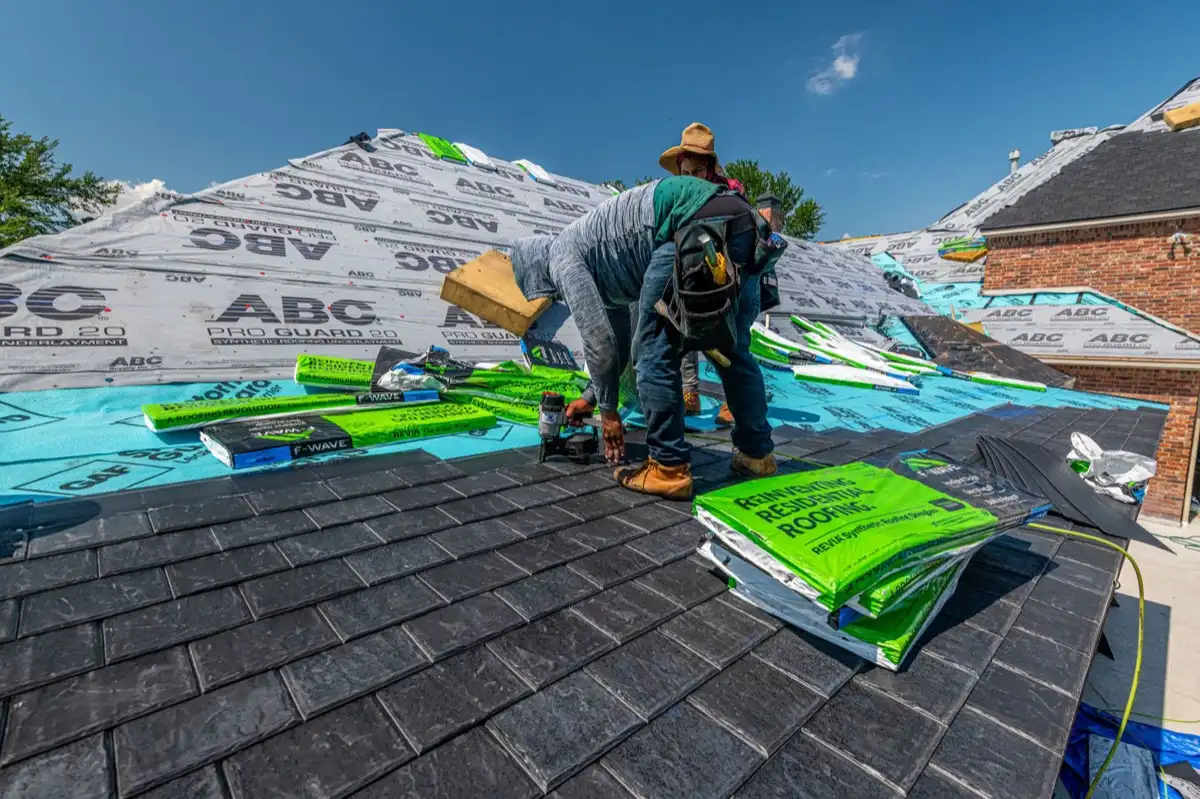
Emergency Roof Tarping
A tarp on a flat roof mostly does not work, and you should hear that from us before you are paying for one at ten at night. Water does not run off a tarp on a dead-flat plane.
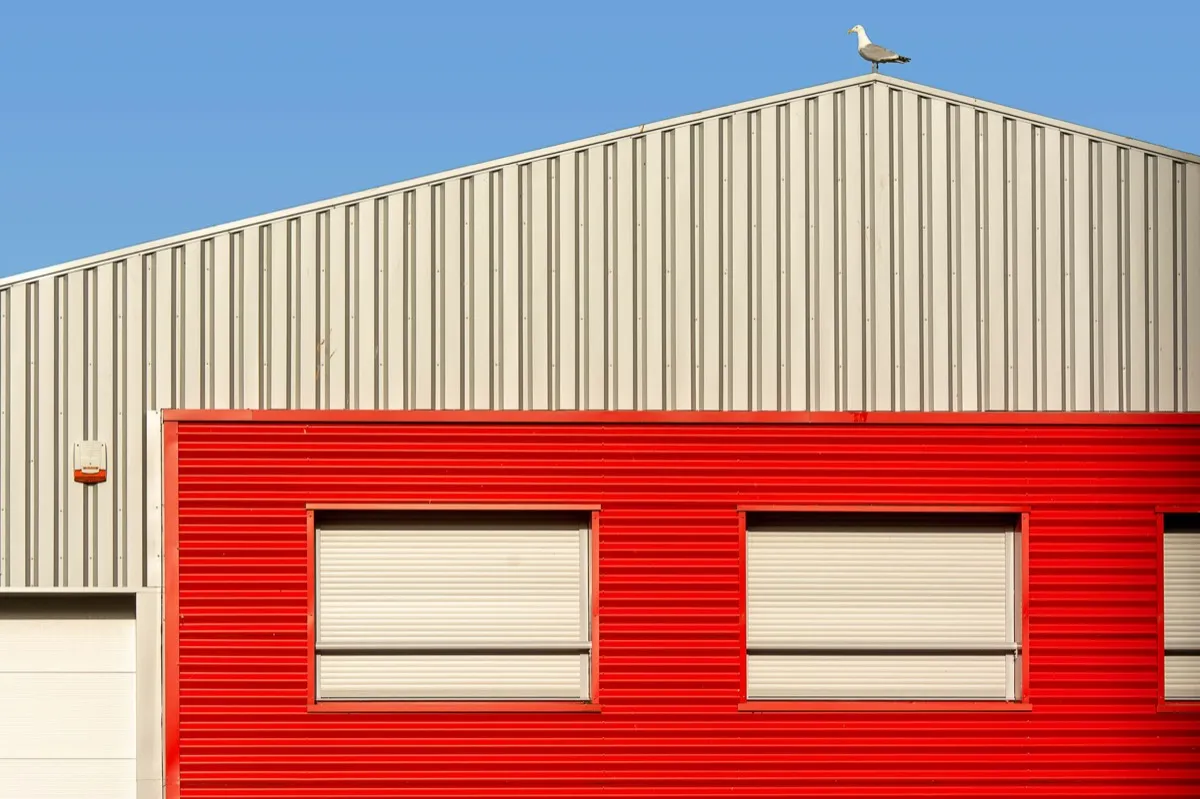
Commercial Roofing
Commercial roofs in Tempe are almost all low-slope, and the ones that cost their owners the least are the ones with a recoat sitting in the operating budget. The buildings that end up buying capital replacements are the ones that treated the roof as an event.
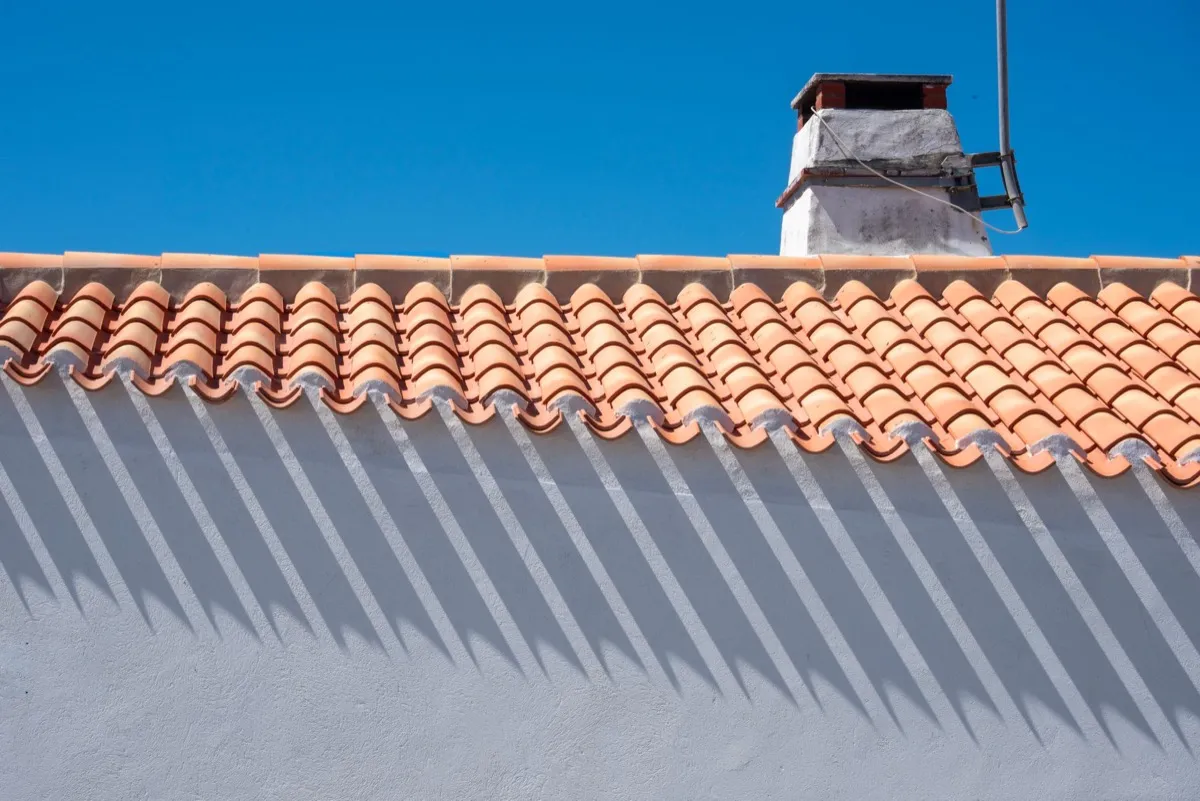
Insurance Claim Support
Most worn foam roofs in Tempe are not an insurance matter, and the most useful thing on this page is knowing when not to file. A coating that has thinned over eight sunny years is wear, and wear is excluded on every policy we have read.
What Tempe Customers Say
Coating was chalked through in places and two other companies quoted a tear-off. These guys cut cores, showed me the foam underneath was dry, and recoated it for a third of the price. Mil readings came in writing.
Leak over the kitchen for two seasons and nobody could find it. They scanned the roof after sunset, found the puncture next to the condenser, and it turned out my air conditioning contractor had put a foot through it. Fixed in an afternoon.
Asked for a skylight and they talked me into two tube lights instead, for less money and a lot less heat. Not many contractors talk you down from the bigger job.
Monsoon took the edge metal off the back parapet. They pumped the standing water, patched it that night, and came back the next week with a proper termination bar. Photographs of every step.
Tempe Roofing Pros is a licensed, insured roofing contractor in Tempe, Arizona, handling roof replacement, roof leak repair, foam roof recoating, tile and shingle repair, flat and low-slope systems, metal roofing, gutters and commercial roofing. Sprayed polyurethane foam under an elastomeric coating covers a great deal of this city, and most of our work is keeping those assemblies on their recoat interval.
That interval is the whole game. Foam has no ultraviolet resistance of its own, so the acrylic or silicone coating over it is a sacrificial layer that thins a few mils every year under this sun. Renew it on schedule and the roof underneath lasts decades. Skip two cycles and the foam itself starts powdering away, and a coating job becomes a re-spray.
So we quote from measurements rather than impressions: dry film thickness readings across the field, an electronic moisture scan, core cuts at the low points, and flow tests on every drain and scupper. You get the readings, photographs on a roof plan, and a straight answer about whether the roof needs work now, next season, or not at all.
About Tempe Roofing Pros in Tempe, AZ
Tempe Roofing Pros works Tempe, Mesa, Chandler, Gilbert, Scottsdale, Apache Junction and the smaller communities across the East Valley and into northern Pinal County. Residential and commercial, steep-slope and low-slope, with most of the volume in sprayed foam and coating work because that is what is actually on the roofs here.
Here is when not to call us. If your roof is under ten years old, has never leaked, and a door-knocker has told you it needs replacing, get a thickness reading and a moisture scan somewhere and then do nothing until the numbers say otherwise. And if you want a coating sprayed over a wet assembly because it is cheap today, we are the wrong contractor for the job.
What we are good at is measurement and sequence: reading what is genuinely left of a coating, finding water before somebody coats over it, and writing a proposal that names the product, the standard and the mils so what ends up on the roof can be checked against what was sold. Inspections are free, and a report that says wait is a normal outcome.
Recent Projects Across the East Valley
Service Areas
Tempe Roofing Pros serves Tempe, AZ and surrounding communities including:
Commercial Roofing in Tempe & Across the East Valley
We maintain and replace low-slope roofs on apartment blocks around the university, retail and restaurant strips along the freeway corridors, warehouses and light industrial buildings near the rail line, and offices whose roofs carry more equipment than membrane. Most of that work is a coating cycle kept on schedule rather than a replacement, which is why a maintained building can run one assembly for decades.
- ✓Sprayed polyurethane foam at roughly three-pound density with acrylic or silicone topcoats
- ✓Spray-applied silicone restoration over prepared gravel-surfaced built-up roofs
- ✓60 and 80 mil reinforced TPO and two-ply modified bitumen systems
- ✓Slope correction built in foam to clear standing water at drains and scuppers
- ✓Electronic capacitance moisture surveys and dusk infrared scans on a roof plan
- ✓Drain, scupper and overflow flow-testing before every monsoon season
- ✓Walk pads and protected service pathways around rooftop equipment
- ✓Night and early-morning scheduling for occupied buildings, with daily close-out photographs
Frequently Asked Questions
How often does a foam roof in Tempe need recoating?
It depends on the coating and the exposure rather than the calendar, but a standard acrylic system on a valley roof generally wants renewing around every five years, and a high-solids silicone can run longer. The honest answer comes from a thickness gauge. We take readings at marked points, and two readings a year apart tell you the wear rate and therefore the date.
Is it cheaper to recoat my flat roof or replace it?
Almost always to recoat, provided the foam under the coating is dry. A recover on a sound assembly costs a fraction of a tear-off and restarts the warranty term. That is decided with core cuts rather than a walk-around. Three dry cores and a good bond mean recoat, while soaked cores or widespread debonding mean replacement, and we show you the cores either way.
My roof has not leaked in years. Does it still need attention?
Very possibly, and this is the trap in a dry climate. Tempe gets little rain, so a roof can be well past its recoat interval with bare foam showing and never announce itself with a ceiling stain. By the time it does leak, the foam has been degrading in the sun for two or three summers and the cheap fix has already expired.
Can you put shingles on a low-slope section?
Not below three in twelve, which rules out a lot of Tempe ranch sections. Manufacturers draw that line and void the warranty under it, and a shingle field on a shallow plane holds water at the laps and fails early. If shingles are on a shallow section now, they were installed out of specification, and foam and coating or a self-adhered modified bitumen system belongs there instead.
Will homeowners insurance pay for a worn foam roof?
No. Gradual wear is excluded on every policy we have read, and filing for it mostly buys you a denial on your record. Insurance is for sudden events with a date: a microburst that took edge metal, hail that fractured the coating, debris that cut it open. We tell you which of those you have before anything is filed.
Do you work through the summer, and does the heat affect the job?
We work all summer and we start at first light, because coatings and adhesives have upper temperature limits and a dark roof at two in the afternoon is past several of them. Foam has a substrate temperature and a wind window as well. That is why summer work here is scheduled around mornings rather than around convenience.